
Understanding Wedding Payment Schedules: A Refined Approach
A well-designed wedding payment schedule is an integral part of a thoughtful planning process. It keeps everything moving with clarity and intention from the very beginning.
If payment timelines have ever felt rigid or overwhelming, it is often because the reasoning behind them is not clearly explained. In reality, a structured wedding vendor payment schedule supports the entire experience, from early planning decisions to the final celebration.
When structured properly, it allows vendors to deliver at their highest level while giving couples a sense of ease, transparency, and control throughout the process.
Why a Wedding Payment Schedule Exists: Creating a Seamless Experience
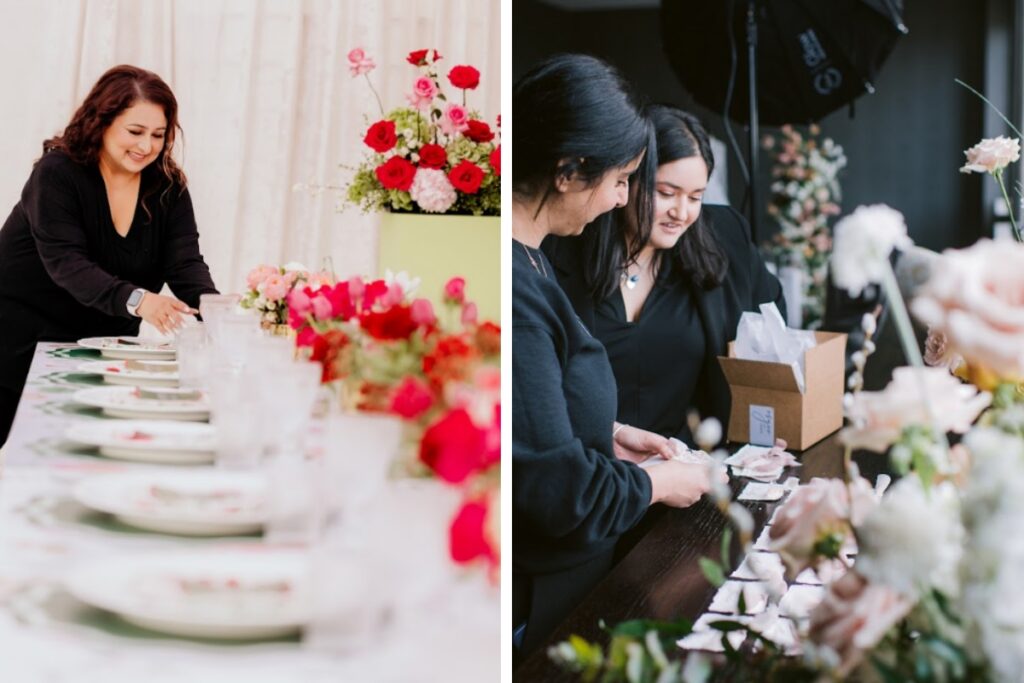
It is natural for couples to question strict payment timelines. From a planner’s perspective, these structures are not about limitation. They protect the flow, quality, and consistency of the entire wedding.
Protecting the Vendor’s Business and Capacity to Deliver
Every wedding begins long before the event itself. Vendors commit time, resources, and creative energy early on through design work, sourcing, and coordination.
A clear payment structure allows vendors to move forward with confidence and allocate resources properly. It also ensures they can maintain the level of service expected for a high-touch celebration.
When payments are delayed, vendors often absorb those costs themselves. Over time, this affects their ability to stay focused, present, and detail-oriented during your wedding.
Supporting Teams, Partners, and Ongoing Commitments
A wedding is supported by an entire team. From florists to production crews, each vendor relies on timely payments to fulfill their role.
When a payment is missed or delayed, it can affect rentals, staffing, and scheduling. A well-defined wedding payment timeline keeps everyone aligned and allows each part of the event to come together as planned.
Establishing Trust Through Structure
A defined payment schedule creates clarity on both sides. It reflects professionalism, respect, and shared expectations.
Rather than feeling restrictive, it removes uncertainty. It allows the planning process to feel organized, calm, and well-managed from start to finish.
Common Challenges with Wedding Payment Schedules and How to Navigate Them
Emotional Pressure and Over-Accommodation
Weddings are deeply personal, and financial conversations can feel uncomfortable. Vendors sometimes extend flexibility to avoid tension, even when it creates strain behind the scenes.
Setting expectations early creates a more sustainable process. When the wedding vendor payment schedule is clearly outlined, it reduces the need for last-minute adjustments or difficult conversations.
Refined Approach:
Establish milestone-based payments with clear terms for delays or additional requests. This keeps everything straightforward and prevents unnecessary stress later in the process.
Late Payments and Their Operational Impact
Late payments may seem minor, but they directly affect cash flow, staffing, and execution timelines. Vendors may need to cover expenses upfront, which can limit flexibility elsewhere.
Over time, repeated delays can affect the overall flow of planning and the level of service delivered.
Understanding Non-Refundable Deposits
Deposits reflect more than a reservation. They represent the time, preparation, and opportunity cost of securing your date.
For planners and designers, booking a wedding often means turning away other inquiries for that same timeframe. A non-refundable deposit protects that commitment and allows work to begin with full focus.
Practical Strategies for Vendors and Couples

For Vendors: Designing a Clear and Supportive Payment Structure
A strong wedding payment schedule balances clarity with flexibility:
- Offer installment options
Monthly or phased payments can feel more manageable than one large amount. - Clarify the purpose of deposits
Position them as securing the date and beginning the planning process. - Use milestone-based payments
For example, an initial retainer, a mid-planning installment, and the final payment before the wedding. - Systematize communication
Automated reminders and clearly outlined terms help maintain consistency.
Key Point:
Flexibility within a structured system strengthens trust.
For Couples: Navigating the Payment Process with Confidence
- Understand the structure
Payment timelines are designed to support execution. - Plan ahead
Align your budget with the agreed wedding payment timeline to avoid last-minute stress. - Communicate early
If adjustments are needed, early conversations allow vendors to offer solutions when possible.
Building Mutual Trust Through Transparency
A wedding is a collaboration. When both sides approach the payment structure with clarity and openness, the process becomes smoother.
For example, if a couple needs to adjust their final payment, discussing it early allows for a revised schedule that still supports the vendor’s workflow. Clear communication strengthens trust and keeps everything on track.
Why Structure Enhances Your Wedding Experience
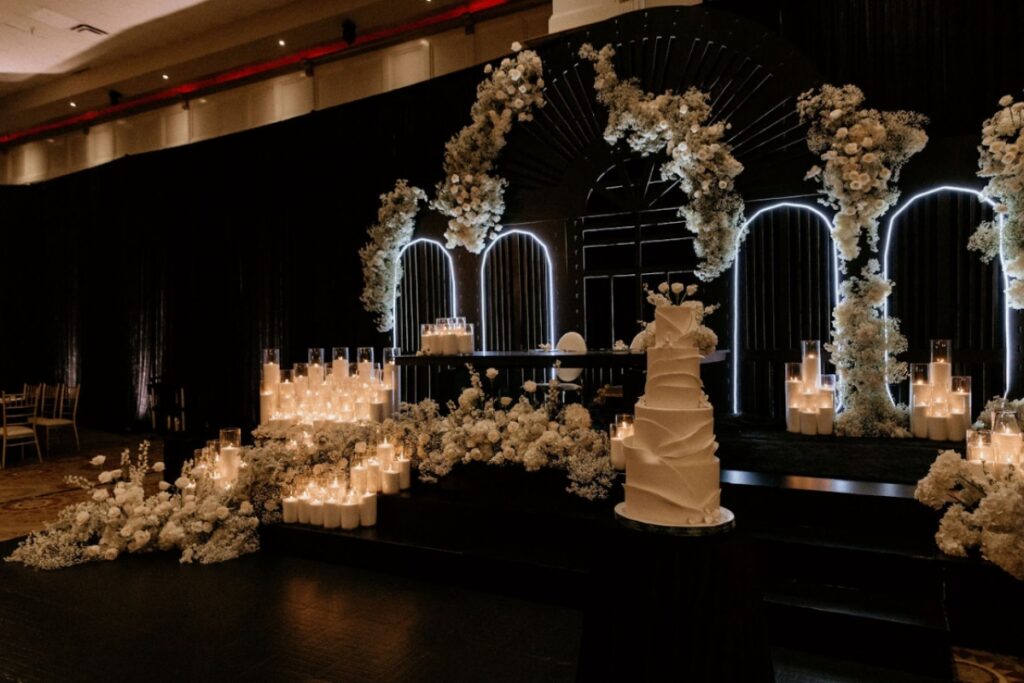
A clear payment schedule allows vendors to focus fully on execution. This includes refining details, managing timelines, and delivering a well-orchestrated event.
Without structure, attention shifts to financial stress and uncertainty. With it, vendors can remain present and attentive to every detail.
This creates a planning experience that feels calm, organized, and aligned from beginning to end.
A Thoughtful Structure Creates a Better Experience

A carefully designed wedding payment schedule supports more than transactions. It supports the entire planning journey.
For vendors, it ensures consistency and sustainability. For couples, it provides clarity and peace of mind.
When approached with transparency and mutual respect, this structure allows your wedding to unfold as intended. Thoughtful, seamless, and executed with precision.
If this approach resonates with you, we’d be happy to guide you through your next steps.
Want more support?
Listen to the full episode of The Planner’s Perspective for detailed insights and real stories that will inspire you on your wedding journey.