How to Plan a Wedding Budget with Intention (and Avoid Regret)
Planning a wedding budget can feel overwhelming, especially when you are balancing multiple events, cultural expectations, and family input. If you are unsure where your money is going or questioning whether your spending reflects what truly matters, you are not alone.
Understanding how to plan a wedding budget with intention changes the process entirely. Instead of reacting to costs as they arise, you can make clear, thoughtful decisions from the start.
In my experience working with multi-day and South Asian weddings, a larger budget does not automatically create ease. Structure is what makes the difference. When your budget is built with clarity, planning feels more grounded, focused, and manageable.
Why Wedding Budget Planning Often Falls Apart (and How to Fix It)
Many challenges in wedding budget planning come from a lack of early structure. These patterns are common, especially in multi-event and South Asian weddings. Once you recognize them, they are much easier to correct.
1. Delaying your wedding budget plan
Waiting too long to define your budget often leads to rushed decisions and reactive spending. Without a clear structure in place, your budget becomes something you adjust constantly instead of something that guides your choices.
A more effective approach is to pause early and define your priorities before committing to venues, vendors, or timelines. This creates a strong foundation for every decision that follows.
2. Splitting your wedding budget evenly
Splitting your wedding budget evenly rarely reflects what actually matters. Not every event or category holds the same level of importance, especially in multi-day celebrations.
For example, a smaller ceremony may require less investment than a reception or an experienced photography team. Wedding budget planning becomes more effective when spending is aligned with priority rather than divided equally.
3. Feeling like everything needs to be included in your wedding budget
Cultural traditions, family expectations, and outside pressures can quickly expand the scope of your wedding. This is particularly common in multi-event, South Asian, and destination weddings, where logistics and expectations can expand quickly.
Not every element needs to be included. A well-planned wedding budget is not about doing everything. It is about choosing with intention and focusing on what truly adds value to your overall experience.
How to Plan a Wedding Budget by Starting with Structure

Before looking at numbers, define the structure of your wedding. This is where clarity begins.
What to Define Before Setting Your Wedding Budget
- Number of events: Are you planning a full multi-day celebration or a more focused timeline
- Guest list: Who truly needs to be included, and how does that shape your overall budget
- Cultural and religious elements: Which elements are essential, and which are flexible
- Family expectations: What conversations need to happen early to avoid pressure later
When this structure is clear, managing your wedding budget breakdown becomes much more intentional. Without it, costs tend to expand without direction.
Create a Clear Wedding Budget Breakdown by Category
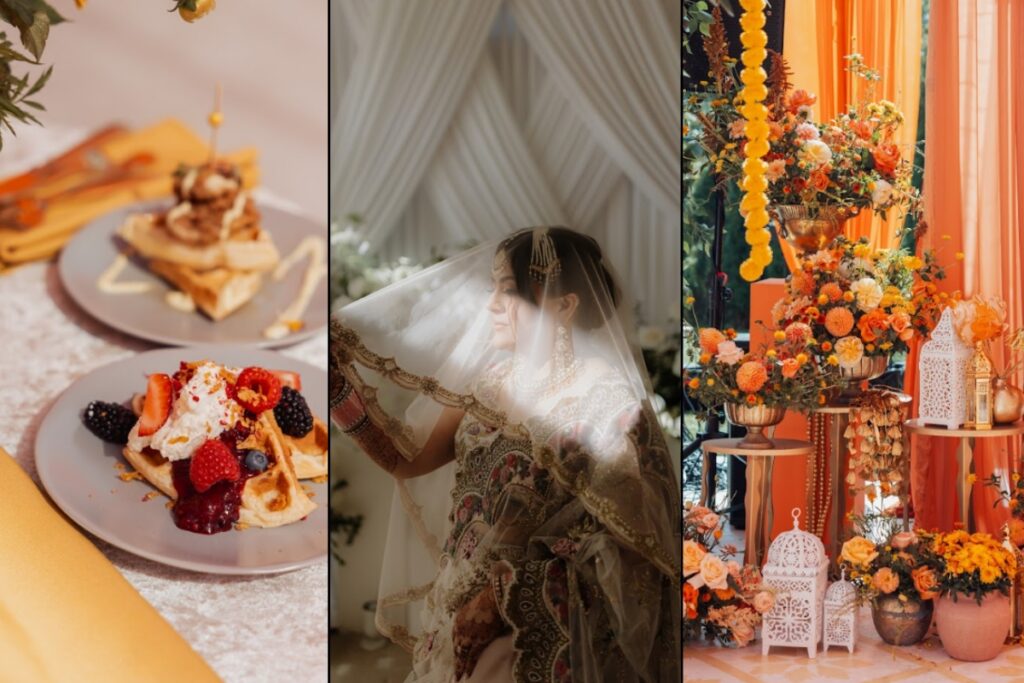
One of the most effective shifts in the budgeting process is moving away from tracking individual expenses and focusing on broader categories.
Key Wedding Budget Categories to Plan For
- Venue
- Food and beverage
- Decor and design
- Outfits and jewelry
- Photography and videography
- Entertainment and music
- Guest experience, such as transportation, accommodations, and welcome details
This approach allows you to allocate your budget based on priority.
For example, if guest experience is central to your vision, more of your budget can go toward hospitality and logistics. If visual storytelling matters most, photography and design may take priority.
Why a Category-Based Wedding Budget Works
- You maintain a clear view of the overall budget
- Your spending stays aligned with what matters most
- You avoid overcommitting to details that do not add meaningful value
How to Prioritize Your Wedding Budget with Intention
To avoid second guessing your decisions later, identify the three priorities that matter most to you. This step is essential in intentional wedding planning, especially when managing multiple events and expectations.
Questions to Define Your Wedding Budget Priorities
- What would I regret not prioritizing
- What matters more to us, visual design or guest experience
- Where do we want our guests to feel the greatest impact
Write these down early and return to them often as you make decisions. These priorities should guide your financial decisions at every stage.
How to Make Confident Wedding Budget Decisions
Every wedding budget involves trade-offs. The goal is not to avoid them, but to approach them thoughtfully.
For example, a smaller guest list can create room for a more considered guest experience or a higher level of service across your events.
Practical Ways to Approach Budget Trade-Offs
- Focus your investment on your highest priorities
- Simplify areas that do not meaningfully impact your experience
- Ask yourself whether this would truly be missed if it were not included
If the answer is no, it likely does not need to be included.
A well-managed wedding budget is not about maximizing every detail. It is about aligning each decision with what matters most.
Final Wedding Budget Tips to Stay Aligned and in Control
- Pause before committing so each decision feels considered rather than rushed
- Focus on what feels relevant to you rather than what is trending or expected
- Communicate early and clearly with family and vendors to avoid unnecessary pressure
- Return to your priorities as your plans evolve
When you understand how to plan a wedding budget with clarity, the process becomes steadier and far less reactive.
Clarity creates calm. When your decisions are grounded in what matters most, the planning process feels aligned and far less overwhelming.
If you’re looking for clarity and structure as you plan, I’d be glad to guide you through the process.
Want more support?
Listen to the full episode of The Planner’s Perspective for detailed insights and real stories that will inspire you on your wedding journey.